You may think you’re doing the right thing when it comes to sunscreen. But you’re probably not using nearly enough. Check out our new approach on how to apply!



You may think you’re doing the right thing when it comes to sunscreen. But you’re probably not using nearly enough. Check out our new approach on how to apply!

Backlash to the animal testing required for FDA approval of sunscreen in the U.S. has grown, especially as viable alternatives have emerged. Many, from animal rights activists to members of Congress, are hopeful as the FDA commits to reducing animal testing.

For a product that has been proven to help prevent skin cancer, sunscreen in the U.S. has had a rough journey lately, from a tidal wave of misinformation to regulatory reroutes and delays. Here, helpful advice — and good news: the FDA approval of the first new sunscreen active ingredient in more than 25 years!

As skin cancer rates continue to rise, our physician members are working with us to address an alarming surge in misinformation online.

May is Skin Cancer Awareness Month, the perfect opportunity to share the truth about the dangers of skin cancer and the importance of early detection and prevention. We hope you’ll join us!

The goal of treating melanoma with Mohs surgery is the same as with nonmelanoma skin cancers: to examine 100 percent of the surgical margin and preserve as much healthy tissue as possible. With Mohs surgery, for both melanoma and nonmelanoma skin cancers, the surgeon and patient can be confident that the skin cancer is fully removed on the same day, before the wound is repaired.
If you’ve been treated for skin cancer, or know someone who has, you may already be familiar with Mohs surgery for basal cell carcinomas (BCCs), squamous cell carcinomas (SCCs) and certain melanomas.
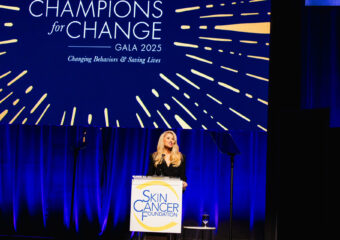
In 2025, The Skin Cancer Foundation expanded programs, updated standards and worked tirelessly to educate the public about skin cancer and the importance of sun protection and early detection.
While skin cancer rates steadily rise, skin cancer myths and misinformation are running rampant online, including unsafe tanning trends, untrue sunscreen claims and dangerous skin health misconceptions.
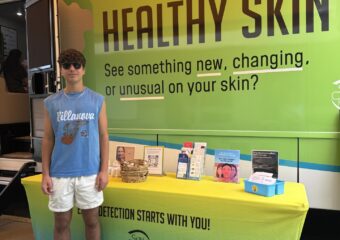
Jake Schweitzer wants people to know: Skin cancer is serious and can happen to anyone, even athletes. It happened to his grandfather, who lost a battle with melanoma before Jake ever had a chance to meet him. That deep and personal loss is one reason why Jake is working with The Skin Cancer Foundation to raise awareness about skin cancer prevention.